Body Mass Index Calculator
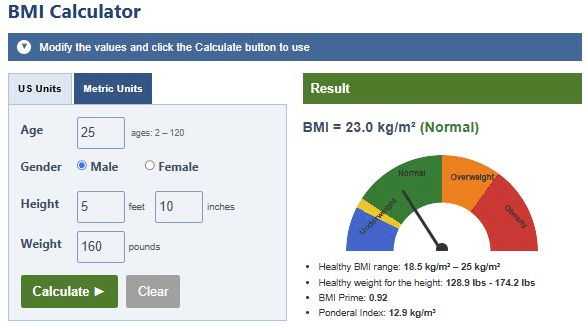
BMI Calculator
- Healthy BMI range: 18.5 kg/m² – 25 kg/m²
- Healthy weight for the height: 128.9 lbs – 174.2 lbs
- BMI Prime: 0.92
- Ponderal Index: 12.9 kg/m³
Understanding your body composition is an essential step toward maintaining overall health and wellness. The Body Mass Index (BMI) is one of the most widely used screening tools globally to evaluate whether an individual falls within a healthy weight range relative to their height.
What Is Body Mass Index (BMI)?
Body Mass Index (BMI) is a standardized numerical measurement that estimates body fat based on a person’s height and weight. Introduced in the 19th century by Belgian mathematician Adolphe Quetelet, the index provides a simple, non-invasive method for healthcare professionals and individuals to categorize body weight and assess potential health risks associated with underweight, overweight, and obesity.
How Is Body Mass Index Calculated?
The formula for calculating BMI varies depending on whether you use the metric or imperial system. Both methods yield the same relative score to evaluate weight status.
Metric System
In the metric system, BMI is calculated by dividing weight in kilograms by height in meters squared:
\text{BMI} = \frac{\text{Weight (kg)}}{\text{Height (m)}^2}Example
For a 26-year-old male who stands 178 cm (1.78 m) tall and weighs 72.5 kg:
- Calculate height squared: 1.78 ×1.78 = 3.1684
- Divide weight by height squared: 72.5 / 3.1684 = 22.88 kg/m2}$ (rounded to 23.0 kg/m²)
Imperial System
If you measure weight in pounds and height in inches, use the following formula:
\text{BMI} = \frac{\text{Weight (lbs)}}{\text{Height (in)}^2} \times 703Standard BMI Categories and Health Ranges
According to guidelines established by the World Health Organization (WHO), adult BMI scores fall into four primary categories:
- Underweight (BMI < 18.5): Indicates insufficient weight relative to height, which may increase the risk of nutritional deficiencies, weakened immunity, and bone loss.
- Normal / Healthy Weight (BMI 18.5 – 24.9): Associated with the lowest overall risk for metabolic diseases and optimal cardiovascular health.
- Overweight (BMI 25.0 – 29.9): Suggests excess weight for height, which may place moderate strain on joints and increase early risk markers for hypertension or insulin resistance.
- Obesity (BMI ≥ 30.0): Divided into three sub-classes:
- Class I (30.0 – 34.9): Moderate obesity
- Class II (35.0 – 39.9): Severe obesity
- Class III (≥ 40.0): Very severe or morbid obesity
Additional Metrics: BMI Prime & Ponderal Index
Advanced calculators often provide complementary metrics alongside standard BMI:
- BMI Prime: The ratio of your actual BMI to the upper limit of a healthy BMI (25 kg/m²). A BMI Prime under 1.0 indicates a healthy weight, while values over 1.0 indicate overweight status.
- Ponderal Index: Similar to BMI, but divides weight by height cubed (kg/m3). It is often considered more accurate for exceptionally tall or short individuals.
Limitations of Body Mass Index
While BMI is an effective population-level screening tool, it has several notable limitations for individual assessment:
- Muscle vs. Fat Mass: BMI does not distinguish between lean muscle tissue and body fat. Athletes with high muscle density may be classified as “overweight” or “obese” despite having very low body fat.
- Fat Distribution: BMI cannot determine where fat is stored. Abdominal (visceral) fat surrounding internal organs poses far greater cardiovascular risks than subcutaneous fat stored around the hips and legs.
- Age and Gender Variations: Natural shifts in muscle mass and fat distribution occur with age and differ between biological sexes, which standard BMI ranges do not directly account for.
Next Steps: Beyond the Calculator
A BMI result provides a helpful starting point, but it should not be viewed as a standalone health diagnosis. For a comprehensive evaluation of your physical well-being, consider combining your BMI with a waist circumference measurement, a body composition analysis, and routine consultation with a healthcare professional.